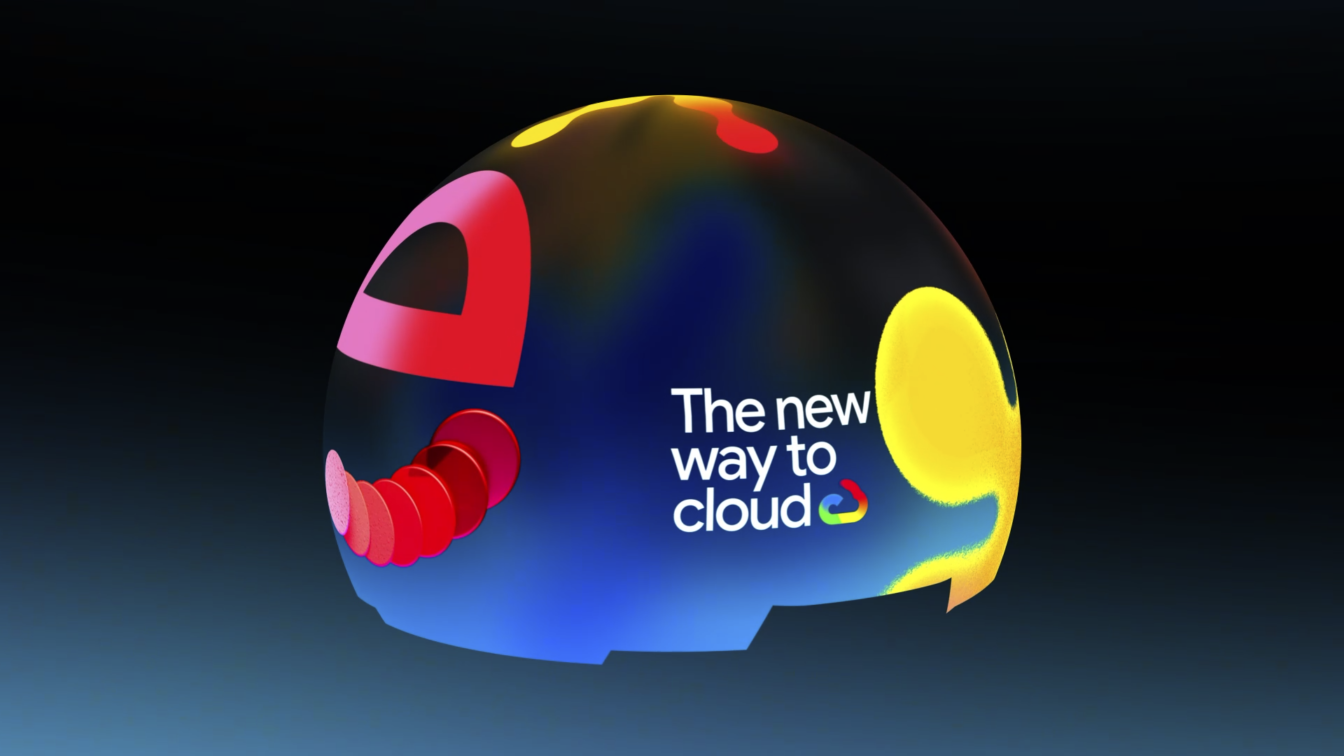


Next 2026
Motion System & Process
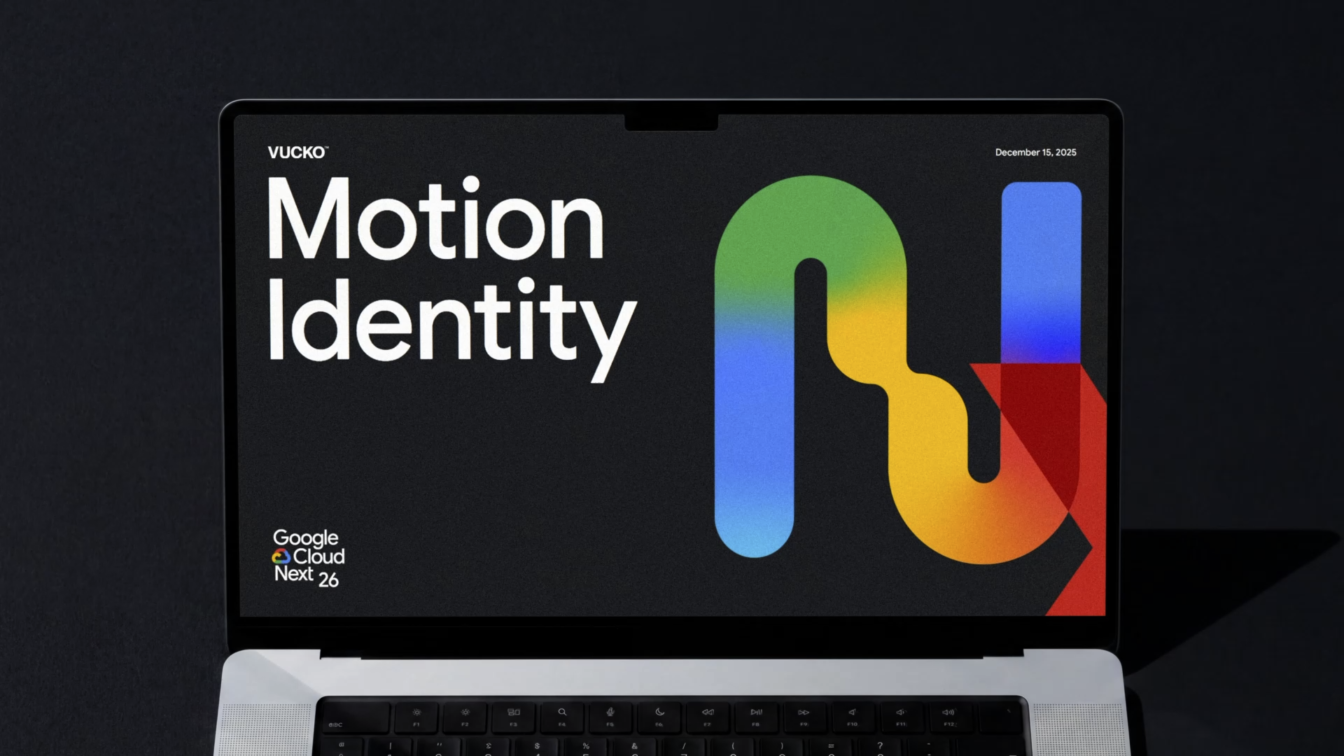
Each year of Next begins by understanding what should evolve, what should remain recognizable, and where there is opportunity to push the event forward without losing the behavioral equity that has been built over time. Rather than approaching Next as a completely new identity every year, the process focuses on intentional evolution of the motion identity and system.
Working closely with the team from the earliest stages, the process began with discovery sessions, audits, whiteboarding, and exploratory motion studies to better understand the direction for this year’s event.
Through that process, we established a set of motion principles and behaviors that would help guide how the identity should move across the broader ecosystem.
For this year, the principles centered around being unexpected, adaptive, and lofi. These became the foundation for how motion should feel across the event experience, while the motion behaviors helped define how those ideas could be applied consistently across touchpoints, environments, and implementations.
From there, the work moved into creative development. Motion became an active part of the design process itself, using experimentation, prototyping, motion sketching, and iterative R&D to explore how the system could evolve further.
Through wireframes, animation studies, and exploratory tests, the identity began to take shape while also feeding back into the broader visual language of the event.
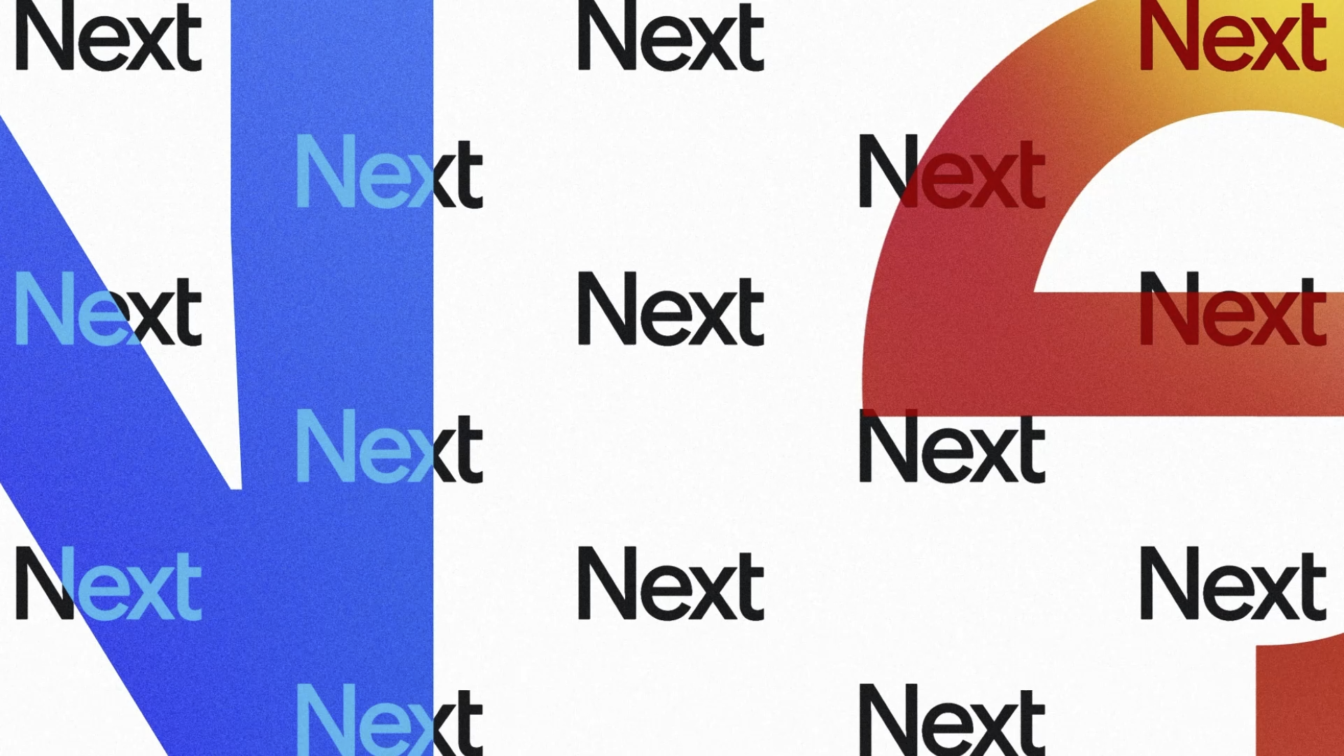
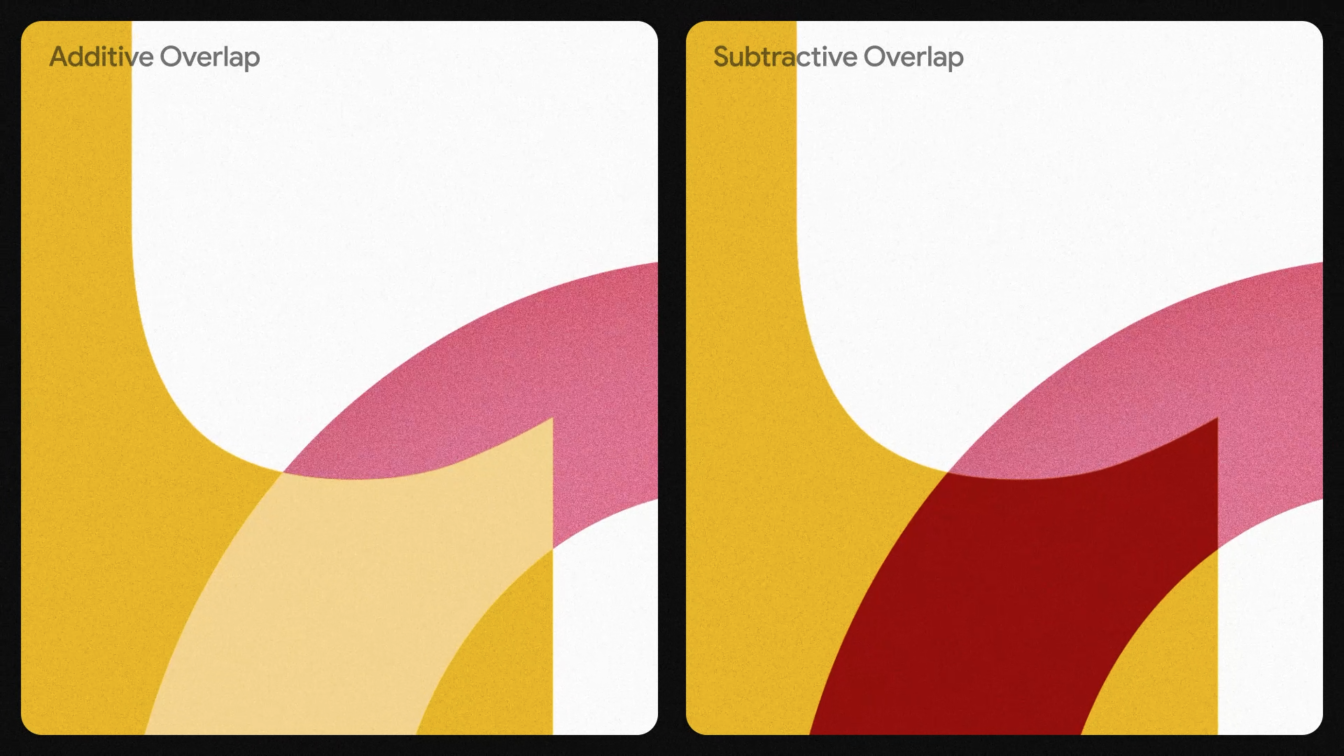
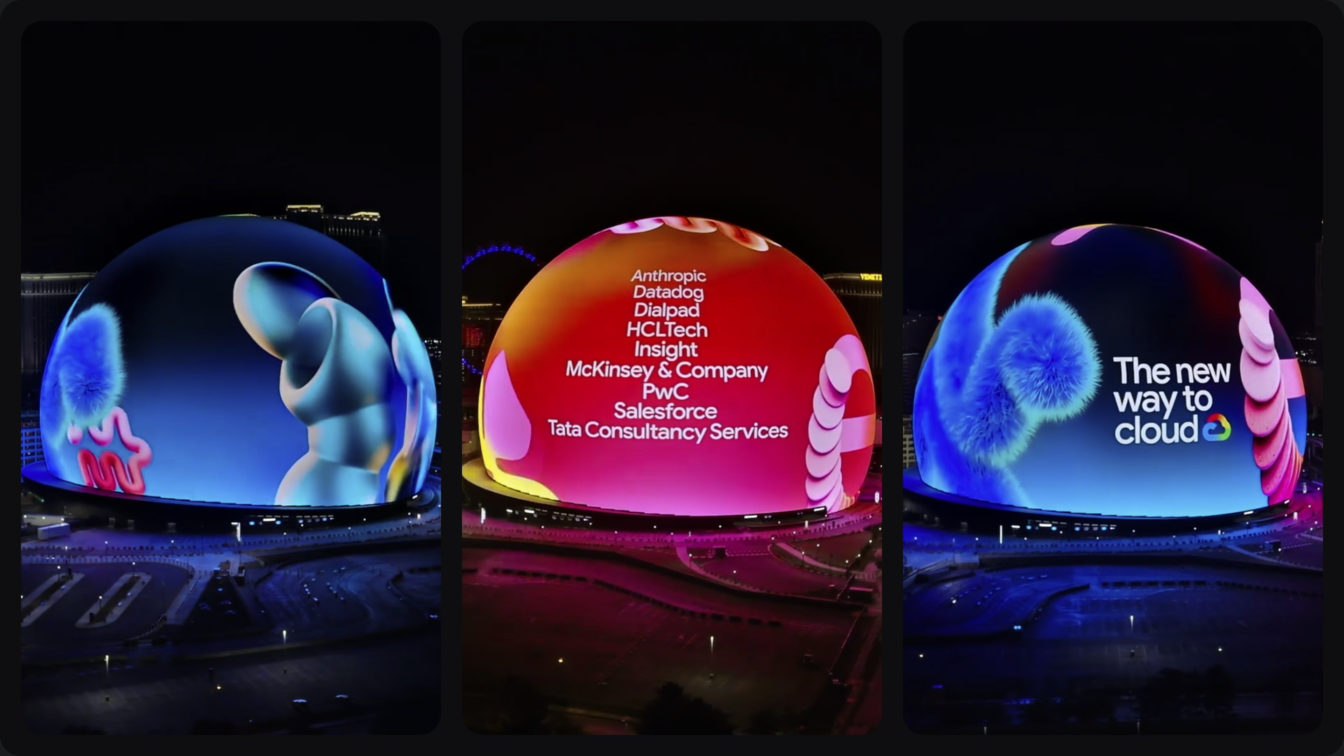
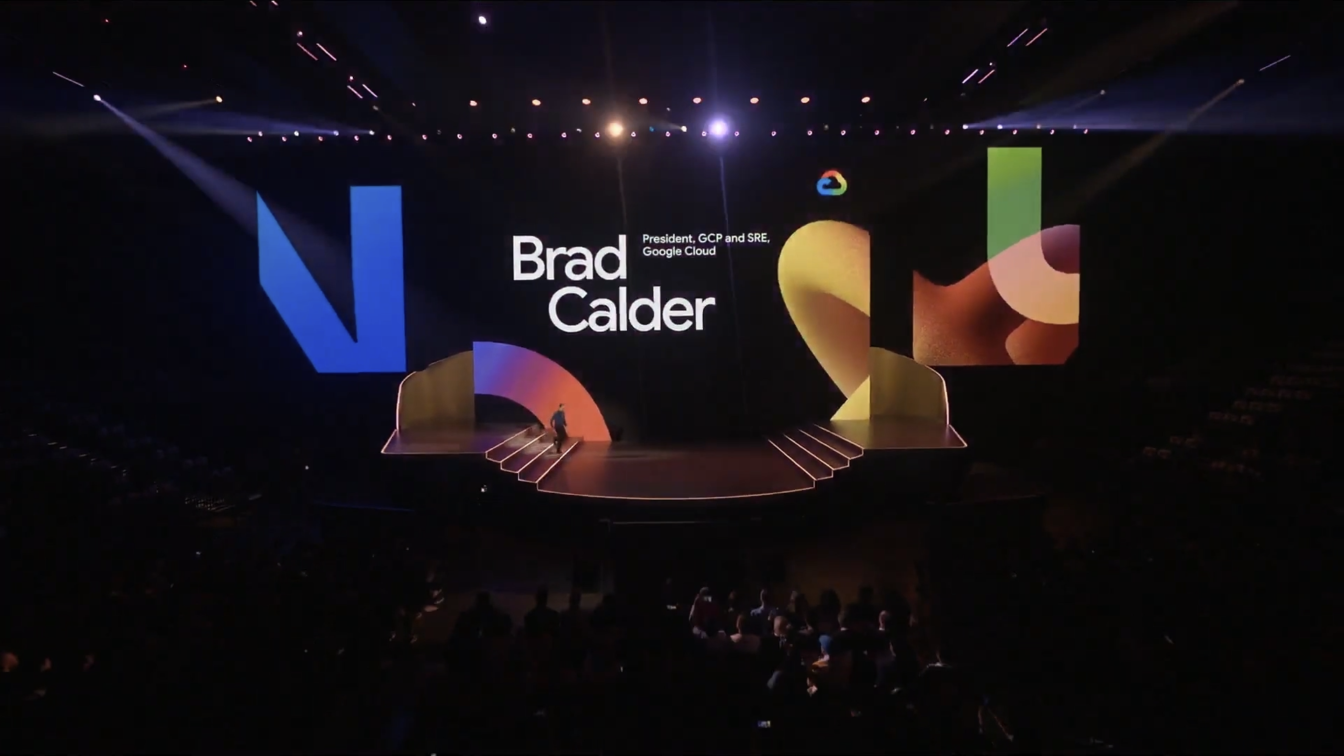
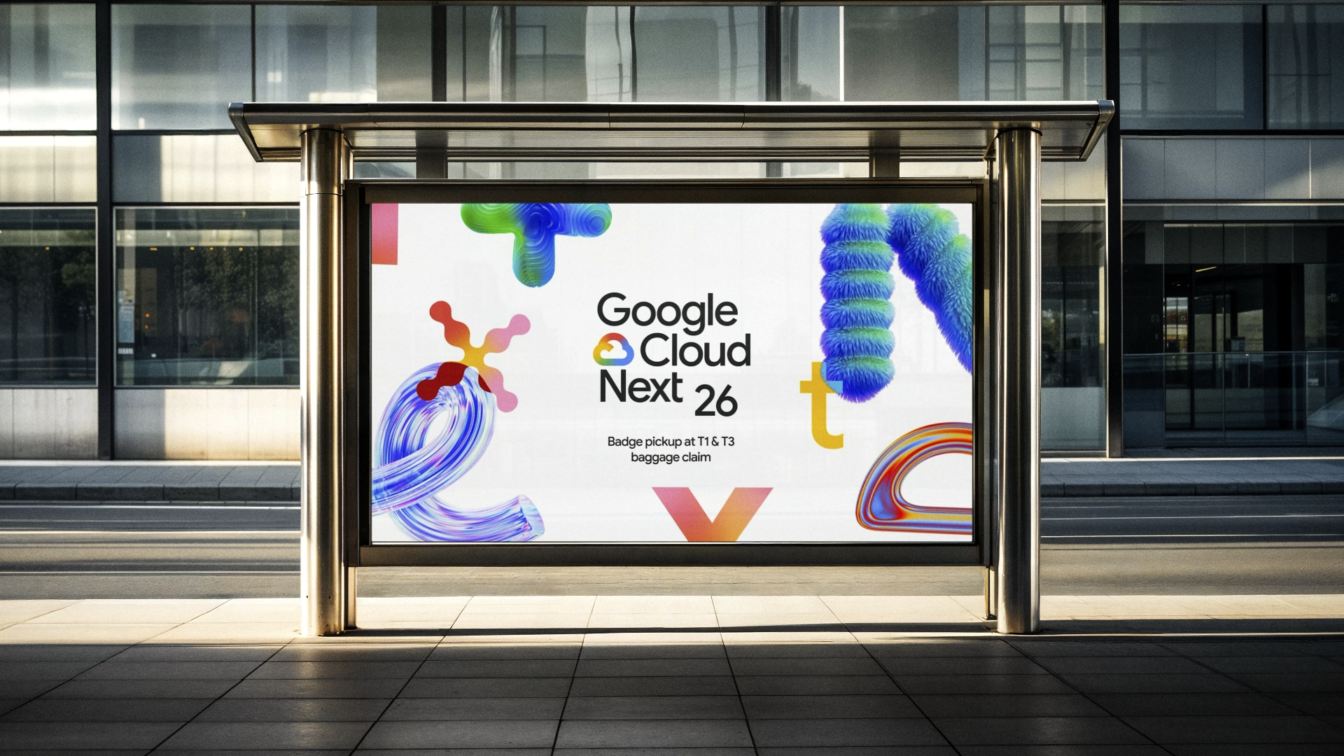
As the system developed, we expanded it into a comprehensive package of production-ready motion assets and behaviors designed to support teams and partners working across the ecosystem.
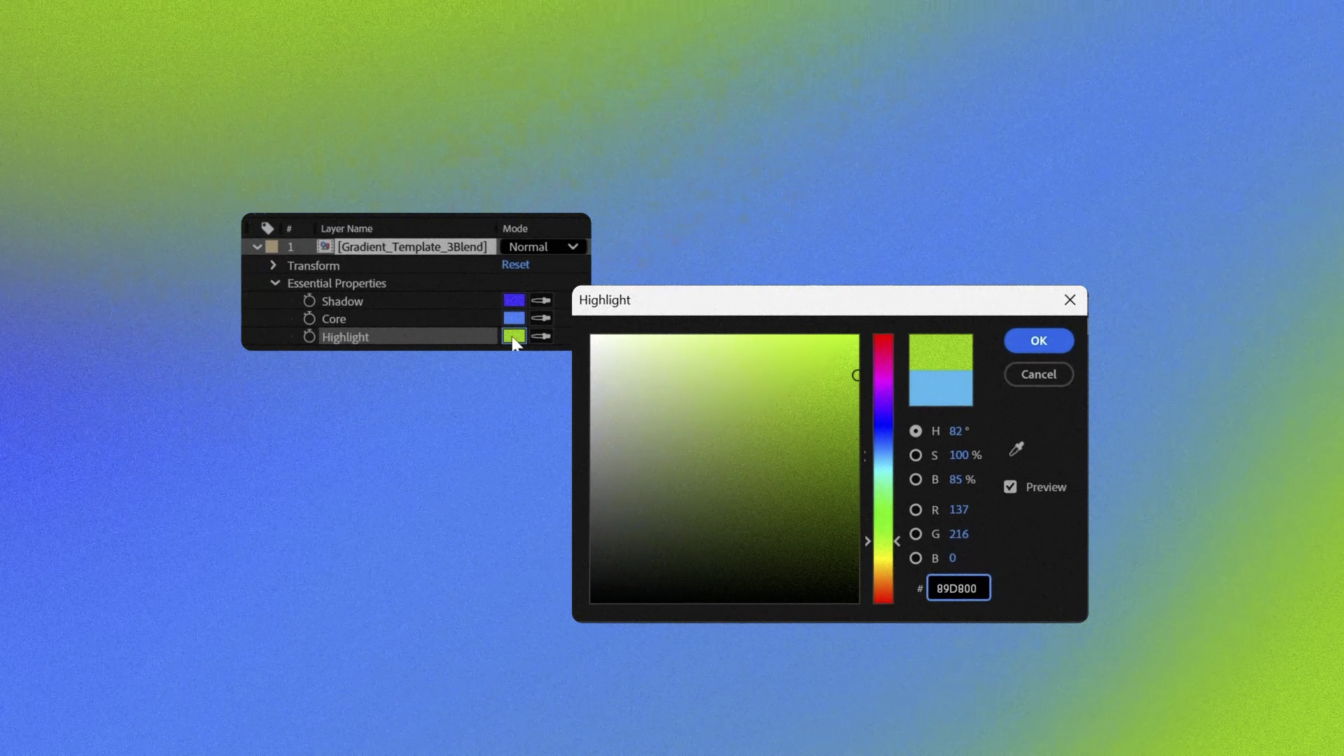
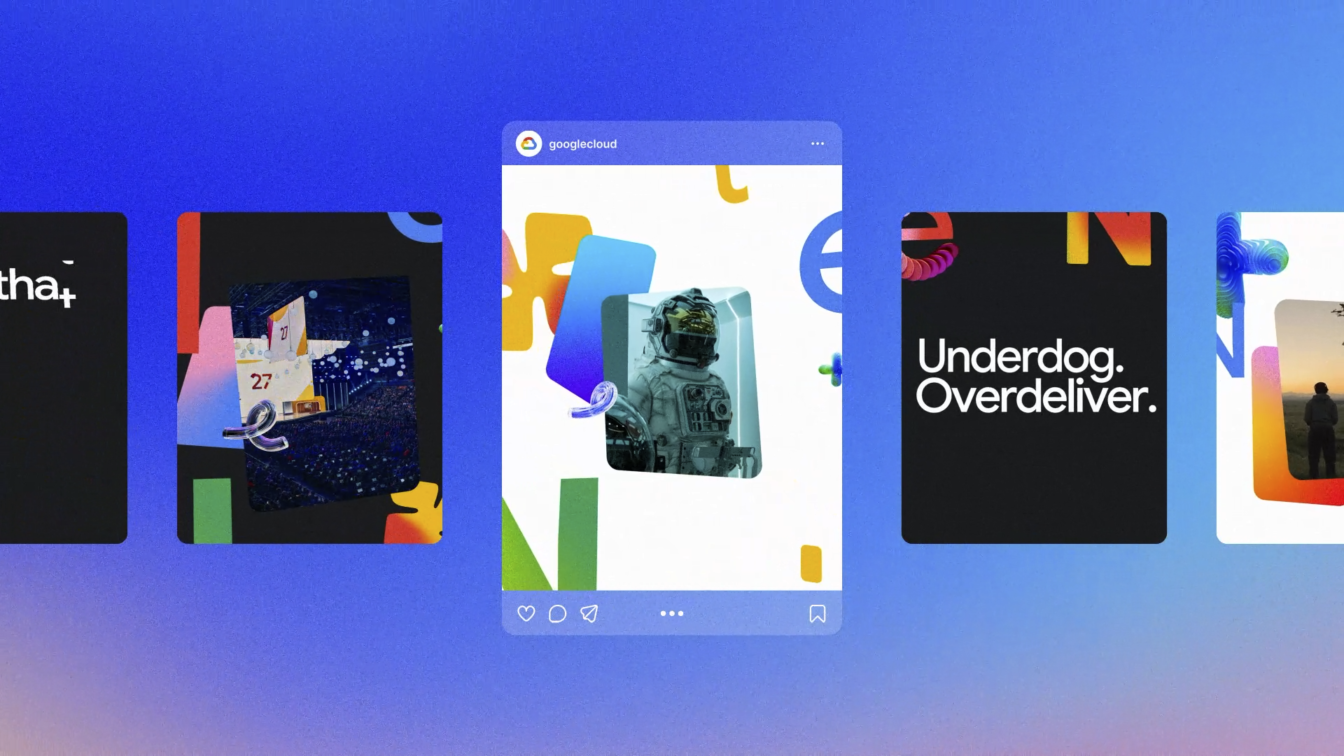
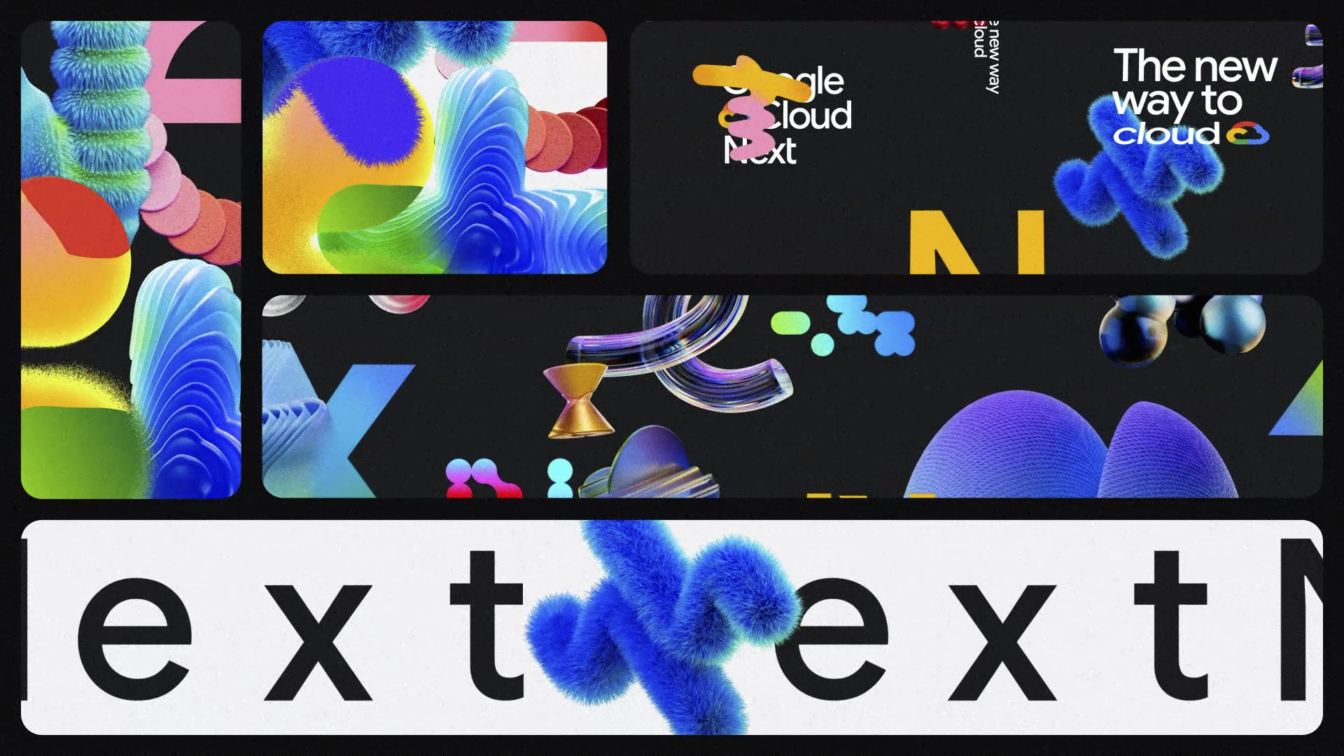
This included animated shape systems, typography behaviors, gradients, ambient motion states, and modular assets intended to create cohesion across a wide range of applications and deliverables.